


Cultured beef allergens: Lab-grown meat shows lower IgE binding but heightened alpha-gal reactivity, study finds
A peer-reviewed study from the University of Canterbury has found that cultured beef cells exhibit a markedly different allergen profile compared to conventional beef steak. Whilst immunoglobulin E (IgE) binding to established meat allergens was lower in lab-grown cells, individuals sensitised to alpha-gal showed significantly stronger immune reactivity to cultured beef — raising important food safety questions for the cultivated meat sector.
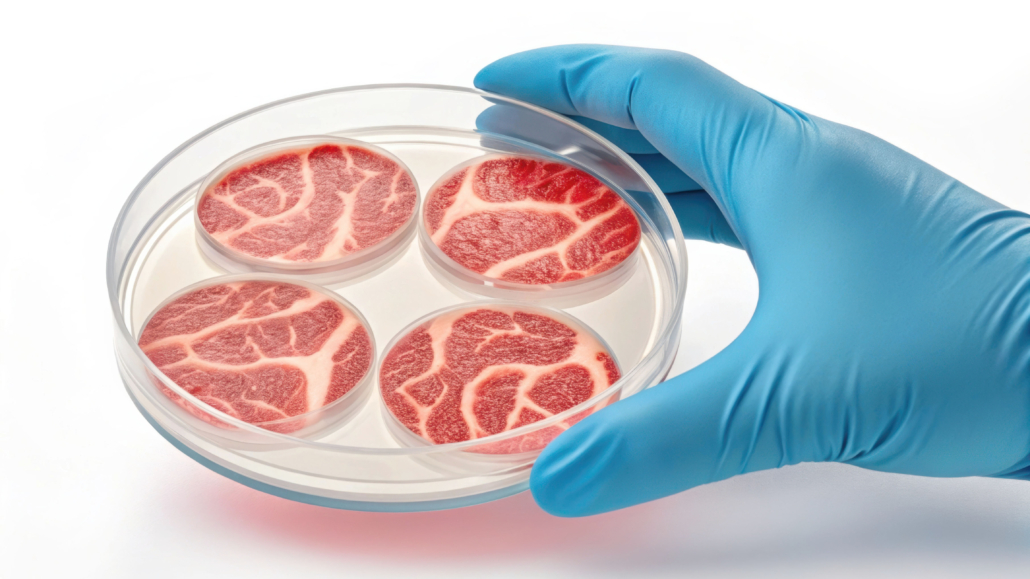
Cultured beef presents a distinct allergen profile from conventional steak, according to new research published in ACS’ Journal of Agricultural and Food Chemistry. The study, led by researchers at the University of Canterbury in New Zealand, is one of the first to systematically compare the protein composition and allergenic hazard of cultivated bovine muscle cells with that of conventional beef, and its findings carry significant implications for food safety assessment frameworks as the cultivated meat industry moves towards commercialisation.
Protein composition diverges between cultured cells and steak
The research team, led by Laura Domigan and corresponding author Renwick Dobson, cultured primary bovine myoblasts from male cow muscle cells using established protocols across varying durations. The resulting protein profiles were then compared with those of conventional beef steak. Whilst the cultured cells showed consistent protein compositions regardless of culture duration, they differed substantially from steak in their overall protein landscape.
Most identified allergenic proteins were present at similar or reduced concentrations in the cultured cells relative to conventional beef. Three proteins were notable exceptions, appearing at elevated levels in the cultured samples. Crucially, although these proteins are not currently classified as meat allergens by the World Health Organisation, they are capable of binding immunoglobulin E (IgE) and could trigger immune responses or allergic reactions in susceptible individuals.
IgE binding and alpha-gal reactivity tell contrasting stories
To assess functional allergenic hazard, the team conducted ex vivo experiments using blood samples from a small cohort of individuals with diagnosed meat allergies. IgE binding assays performed on both undigested and digested cultured cells showed lower reactivity compared to conventional steak — a finding consistent with the reduced levels of established allergen-related proteins in the cultured material.
However, when blood samples from two individuals with alpha-gal syndrome were tested, the cultured beef cells elicited a markedly stronger IgE response. Alpha-gal syndrome is an acquired allergy to the oligosaccharide galactose-alpha-1,3-galactose (alpha-gal), a carbohydrate found in red meat, which individuals can develop following a bite from the lone star tick. The researchers suggest that the heightened reactivity observed in alpha-gal-sensitive individuals may be attributable to a higher density of alpha-gal-modified proteins in the cultured cells compared to conventional steak.
“This study demonstrates that meat grown from cells can change in ways that matter for food allergies,” said Dobson. “Our results show why food safety assessments for cultivated meat need to look carefully at allergy-related proteins, rather than assuming they behave the same as those in conventional meat.”
Regulatory and clinical implications for the cultivated meat sector
The findings underscore that cultivated beef cannot be assumed to be immunologically equivalent to its conventional counterpart, and that food safety assessments must be tailored specifically to the cultivated product rather than extrapolated from existing beef allergen data. Prior research had indicated that cultivated fish cells contained fewer proteins linked to severe allergies than conventional seafood; however, the present study indicates that the picture for cultured beef is more complex, particularly with respect to carbohydrate-associated allergens such as alpha-gal.
The dual nature of the results — reduced hazard with respect to classical protein allergens, but elevated hazard with respect to alpha-gal sensitivity — highlights the need for allergenicity testing that encompasses both proteinaceous and glycan-mediated immune responses.
“The development of cultivated meats will require coordinated efforts between scientific, regulatory, and clinical teams to deliver products that are not only safe and sustainable but also accepted and trusted by the public,” Dobson concluded. “Only through this ongoing collaboration can cultivated meat achieve its promise as a viable, responsible, and widely accepted alternative to conventional meat.”
Next steps: testing final cultivated meat products
The research team has identified expansion of the testing programme to final cultivated meat products as the immediate next priority. The current study examined cultured primary bovine myoblasts rather than a finished consumer product, and the researchers note that further processing and formulation steps involved in producing market-ready cultivated meat may alter the allergen profile further.
The study was funded by the Riddet Institute, Food Transitions 2050, the Biomolecular Interaction Centre, and the Dutch Ministry of Agriculture, Fisheries, Food Security, and Nature. Some authors are co-founders, employees, and shareholders in Opo Bio Aotearoa, the company that supplied the cell cultures.
Reference
Domigan, L., Dobson, R., et al. (2026). Altered levels of known allergens in cultured primary bovine myoblasts for cultivated meat. Journal of Agricultural and Food Chemistry. https://doi.org/10.1021/acs.jafc.5c10735