GoodMills Innovation’s TIP-TOP flour cuts fryer cleaning cycles and reduces bakery dust
A thermally modified, low-dust process flour from GoodMills Innovation is helping food manufacturers extend fryer cleaning intervals, stabilise frying oil and improve workplace air quality – with measurable results in industrial donut production.
How conventional flour contaminates frying oil
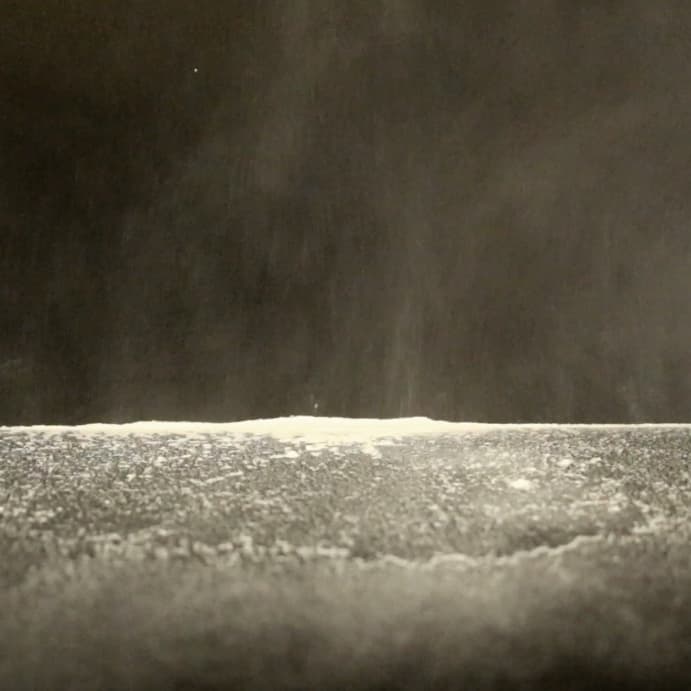
In high-throughput frying operations, dusting and separating flours with a high fine particle content present a persistent operational problem. Fine particles migrate into the oil bath, settle as sludge on the fryer floor, disrupt heat transfer and accelerate oil oxidation. The practical consequences are increased cleaning frequency, more frequent oil changes and unplanned production downtime.
The hydrothermal modification behind TIP-TOP
TIP- TOP® is produced via a purely physical hydrothermal process that modifies starch structure and substantially reduces the fine fraction of the flour. The result is a dry, free-flowing flour with extremely low dust formation and strong separating performance.
During frying, the flour forms a controlled, even, dry layer on the dough surface, significantly limiting particle transfer into the oil bath. According to Jürgen Senneka, Group Manager Application Services International at GoodMills Innovation: “With conventional flour, a layer of settled flour – so-called sludge – quickly forms at the bottom of the oil bath. This interferes with heat transfer and requires regular cleaning.”
Extended cleaning cycles and oil stability
In documented donut production trials, switching to TIP-TOP extended cleaning intervals from three to four shifts up to 13 shifts – a roughly three-fold improvement. Oil stability is also enhanced, as reduced particle ingress slows oxidation and, according to GoodMills Innovation, eliminates the need for additional oil-stabilising additives such as potato starch.
Workplace dust reduction and material savings
Beyond the fryer, TIP-TOP reduces airborne dust formation in the bakery environment by up to 80 per cent, lowering worker exposure to respirable particles. Machines, conveyor systems and proofing fabrics remain cleaner, and – depending on process conditions – material consumption can be reduced by up to 70 per cent.
GoodMills Innovation offers technical support during product transition, including fine-tuning of dusting units. As Senneka notes: “Once the process is correctly adjusted, the full potential becomes obvious – from improved hygiene to significantly enhanced efficiency.”
- For more information, visit: goodmillsinnovation.com