
Physicians Committee for Responsible Medicine petitions USDA for cancer warnings on processed meat
A US physicians’ organisation has filed a formal legal petition urging the Department of Agriculture (USDA) to mandate cancer warning labels on processed meat and poultry products – a move that could have significant implications for food labelling standards and the wider meat processing industry.
The Physicians Committee for Responsible Medicine (PCRM) submitted the petition on 1 April 2026, calling on the USDA to require the following statement on products such as bacon, deli meat, and hot dogs: “This product might increase the risk of colorectal cancer.”
Scientific basis for the petition
The petition draws on the 2015 classification by the International Agency for Research on Cancer (IARC), a body of the World Health Organisation, which designated processed meat as “carcinogenic to humans” (Group 1) with respect to colorectal cancer. That classification followed a review by 22 experts across 10 countries, who assessed more than 800 epidemiological studies.
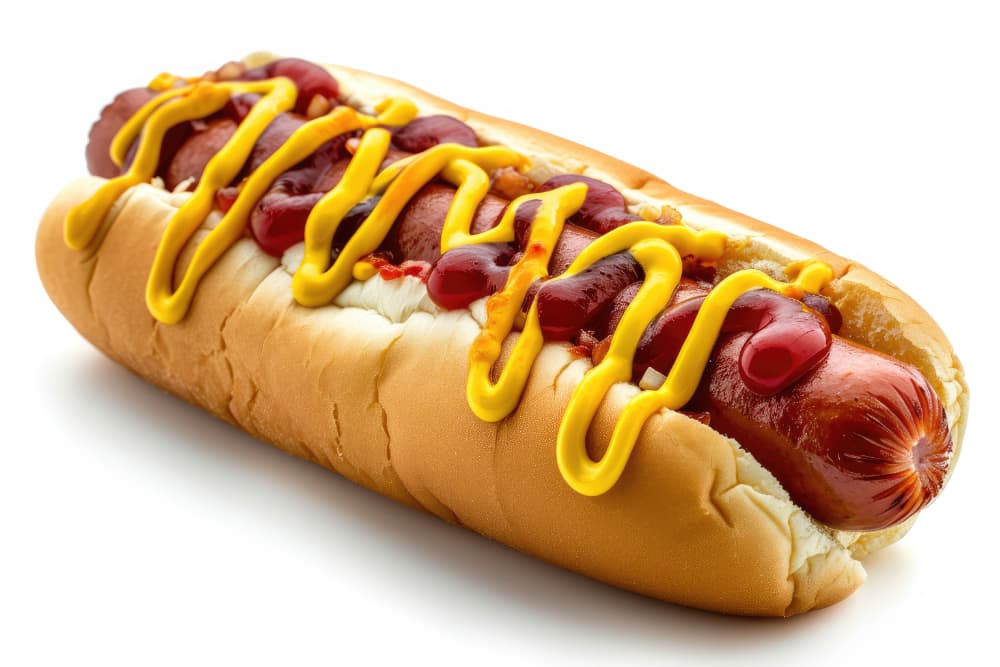
Central to the IARC finding was a meta-analysis indicating that consuming a 50-gram portion of processed meat daily – roughly equivalent to one hot dog – is associated with an 18% increase in the relative risk of colorectal cancer.
More recently, a study published in JAMA by the American Cancer Society found that colorectal cancer mortality is now the leading cause of cancer death in adults under 50 in the United States. Separately, research published in Nutrition and Cancer found that younger colorectal cancer patients were more likely to have consumed higher quantities of processed meat.
Legal grounds: ‘adulterated’ and ‘unwholesome’ products
PCRM’s petition invokes both the Federal Meat Inspection Act and the Poultry Products Inspection Act, which require the USDA to inspect all meat and poultry and label approved products as wholesome and fit for consumption. The petition argues that processed meat, given its established cancer risk, cannot genuinely be deemed “wholesome” under those statutory definitions.
“Labels should disclose to consumers that USDA has not, and cannot, guarantee that processed meat or poultry products are ‘wholesome’ because they have been shown to increase the risk of colorectal cancer. Such labels are urgently needed,” the petition states.
Consumer awareness gap
Despite the volume of published research, a PCRM/Morning Consult poll found that nearly half of Americans are unaware that processed meat consumption may elevate colorectal cancer risk. Notably, 64% of respondents said they support a cancer risk warning label on such products.
Anna Herby, DHSc, RD, CDCES, nutrition education specialist at PCRM, called for dietary change alongside regulatory action: “Instead of processed meats, Americans should be filling their plates with more fibre-rich fruits, vegetables, grains, and beans, which have been shown to help reduce the risk of colorectal cancer.”
Industry and regulatory implications
The American Cancer Society projects more than 150,000 new colorectal cancer cases and 55,230 deaths in 2026 alone. Should the USDA act on the petition, food manufacturers would face substantive reformulation and labelling decisions – with potential knock-on effects for product positioning, consumer demand, and regulatory compliance across the processed meat sector.
- For more information, visit: pcrm.org