ACI Group warns whey protein costs face long-term structural rise
Specialist ingredient distributor ACI Group has warned that unprecedented demand for protein is placing significant pressure on global ingredient markets, driving up whey protein costs, tightening supply and increasing the need for more resilient formulation strategies across the food and beverage sector.
Demand drivers push prices to record highs
According to ACI Group, demand is being fuelled by GLP-1 weight-loss medications, healthy ageing demographics, sports nutrition growth and rising interest in protein-fortified foods and beverages. The company believes current market conditions represent a broader structural shift rather than a temporary period of volatility.
Recent market data cited by ACI Group shows European food-grade whey powder prices have risen more than 50% since January 2026, while 80% whey protein concentrate has reached record highs, exceeding €26,000 per tonne in some European markets.
“For years, whey has been one of the industry’s most trusted and widely used protein ingredients,” said Jack Helm, Account Manager – Beverage, Bakery & Functional Foods, at ACI Group. “What we are seeing now is a convergence of long-term trends that are fundamentally changing protein demand. Manufacturers can no longer assume whey will remain as abundant, predictable or cost-effective as it’s been historically.”
A supply resilience challenge, not just a pricing issue
Manufacturers are increasingly being challenged to balance nutritional performance, product quality, supply security and commercial viability, ACI Group notes.
“This is not simply a pricing challenge,” Helm continued. “It is a supply resilience challenge. The companies best positioned for the future will be those building more flexible protein strategies that balance nutritional quality, functionality, sustainability and supply security.”
Alternative proteins under evaluation
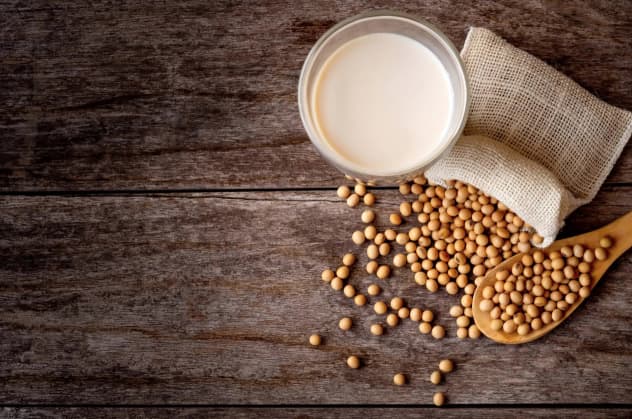
As whey costs rise, ACI Group says manufacturers are increasingly evaluating alternative proteins that can reduce dependency while maintaining nutritional quality and functionality. Soy proteins are attracting renewed interest due to their amino acid profile, functionality and established supply chains.
However, Helm cautions that successful reformulation requires a broader understanding of protein performance than nutritional values alone.
“Manufacturers are not simply buying protein percentages, but functionality,” he explained. “Any alternative protein must deliver the processing performance, texture, stability and sensory characteristics required by the finished product.”
Soy solutions positioned as a partial replacement
ACI Group points to solutions such as IFF’s SUPRO® soy protein portfolio (subsequent references: SUPRO) as capable of supporting partial or full whey replacement across a range of applications.
ACI Group maintains that manufacturers who address these shifting market conditions now will be best placed to manage future supply challenges while continuing to meet consumer expectations.
Next steps for manufacturers
Manufacturers seeking to review their protein strategies or explore reformulation opportunities can speak with ACI Group’s technical team for guidance on protein optimisation and supply resilience.