


LTS Global Solutions reports surge in demand for ingredient logistics as UK food habits shift
A significant increase in enquiries from food ingredient suppliers and manufacturers has been recorded by Coleshill-based LTS Global Solutions, reflecting a measurable shift in UK consumer behaviour towards cooking from scratch and minimally processed foods.
The trend is moving demand upstream. Rather than finished, shelf-ready goods, retailers and manufacturers are placing greater emphasis on functional ingredients – from plant-based proteins and wholefood staples to natural colourings, health-focused fibres, and fortified components targeting immunity and nutrition.
Market growth reinforces the shift
Market data supports this direction. The UK specialty food ingredients sector was valued at approximately $9.26 billion in 2024 and is forecast to reach $14.75 billion by 2033, representing sustained long-term growth and continued demand for ingredient innovation.
For food manufacturers and ingredient suppliers, the operational implications are considerable. Ingredient supply chains carry inherent complexity: multi-origin sourcing, tighter handling requirements, and significantly higher expectations around traceability and regulatory compliance compared with finished goods logistics.
Logistics complexity increases with ingredient portfolios
Over the past 12 months, LTS Global Solutions reports that enquiries have increasingly centred on the storage and distribution of ingredients rather than ambient, shelf-ready products. Specific requirements include controlled storage environments, batch-level traceability,
and flexible distribution models capable of responding to fluctuating demand patterns.
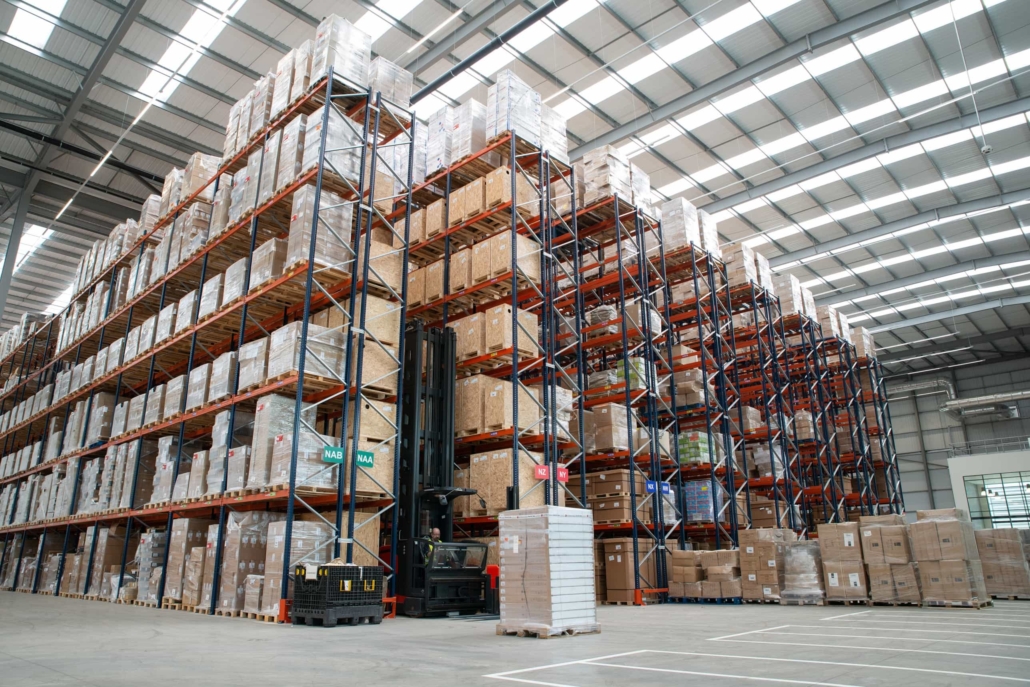
To meet this demand, the company has expanded capacity at its warehousing facility by a further 17,000 pallet spaces. The facility is designed to support food-grade storage across a range of requirements, from specialist small-batch ingredient flows through to high-volume wholesale operations.
Performance expectations across ingredient-driven supply chains are also rising sharply, with stricter on-time, in-full (OTIF) delivery targets and tighter inventory accuracy requirements. Where delays can halt production, there is limited tolerance for error.
Regulatory scrutiny and accreditation
Regulatory considerations are adding further complexity. Food safety, provenance, and compliance requirements are intensifying as supply chains extend across borders. Recent UK trade agreements have opened new sourcing channels while simultaneously introducing additional demands around customs documentation and rules of origin. Accreditation is increasingly a differentiator in this context. LTS Global Solutions holds BRCGS certification, providing independently verified assurance across food safety, storage, and distribution.
Integrated supply chain model in demand
Dave Hands, Managing Director at LTS Global Solutions, described the nature of the change: “Over the past year, we’ve seen a significant shift in the nature of enquiries coming into the business. There is a marked move away from finished, shelf-ready goods towards ingredients – and that’s being driven directly by how consumers are choosing to eat.”
He added: “Ingredient logistics is inherently more complex. You’re dealing with more SKUs, stricter handling requirements, and greater expectations around traceability and service performance. Traditional logistics models weren’t built for that level of detail or flexibility.”
According to Hands, businesses are increasingly seeking integrated partners able to manage international freight, customs clearance, warehousing, inventory control, and final distribution within a single system – and with the flexibility to scale across both niche and wholesale operations.