Food processing: Innovative sanitary rupture disk optimised for low burst pressure in atmospheric storage systems
Jeff Elliott examines the safety demands of sanitary atmospheric tanks in food processing, where even slight pressure or vacuum excursions from temperature cycling, filling or fire exposure can compromise vessel integrity. He reports on BS&B Safety Systems’ GHI™ gasketed rupture disk, a self-contained, clamp-fitted design that dispenses with a safety head and bursts at pressures as low as 12.5 mbar.

Jeff Elliott
Sanitary atmospheric tanks are often used by food processors to hold, mix, or store materials or liquid ingredients such as milk, juice, sauces, syrups, soups, and dressings. The term atmospheric refers to vessels designed to operate at or near ambient pressure, meaning the internal pressure is roughly equal to the surrounding air pressure.
In many food processing operations, these tanks are used between processing steps to hold or blend products before the next stage. For example, milk may be stored before moving to another machine, juice ingredients may be mixed before bottling, and sauces or soups may be held until the line is ready. Sanitary atmospheric tanks can also be used to blend ingredients like cream, seasonings, and cheese to make a cheese sauce before packaging.
Even at low levels, atmospheric tanks must be equipped with proper venting systems to prevent excessive vacuum or overpressure.
Because they are used in food handling, these tanks must also comply with strict hygienic standards to prevent contamination and maintain product integrity. Typically constructed from stainless steel with sanitary finishes, atmospheric tanks are engineered with an emphasis on cleanliness, smooth internal surfaces, and configurations that enable effective cleaning or sterilisation.
Since they are not subjected to significant internal pressure, atmospheric tanks are not subject to the same stringent requirements as pressure vessels, which are designed to handle fluids at pressures significantly above or below atmospheric levels.
In fact, atmospheric tanks typically operate at pressures no greater than 0.07 barg (1 psi).
Once a low-pressure-rated vessel or tank is sealed, it is necessary to provide protection against overfilling, rapid emptying, and exposure to external fire.
Why atmospheric tanks still demand pressure protection
Nonetheless, pressure remains a critical factor. Even at low levels, atmospheric tanks must be equipped with proper venting systems to prevent excessive vacuum or overpressure that can arise from temperature fluctuations or during filling and emptying cycles. Without proper venting, a tank can collapse under vacuum or rupture due to overpressure.
Even normal ambient temperature variations, particularly in vessels installed outdoors or exposed to daily temperature cycles, can cause significant changes in internal pressure. Although many fluids are stable under atmospheric pressure, when placed in a closed container even normal fluctuations in ambient temperature or equipment operation can generate overpressure (as temperature rises) or vacuum (as temperature falls).
Safety concerns extend to fire prevention and vapour control, particularly when flammable or volatile liquids are stored.
Fire case: managing emergency overpressure
A fire case addresses the danger of a pressure build-up in a tank or vessel caused by an external fire. The heat from the fire raises the temperature of the tank shell and its contents, causing the liquid to expand and vaporise. This increases internal pressure, which, if not relieved, can rupture the tank.
To prevent structural failure, the tank must include emergency pressure relief sized for fire exposure conditions. The goal is to release vapour fast enough to prevent the internal pressure from exceeding the tank’s design limits during a fire.
“Once a low-pressure-rated vessel or tank is sealed, it is necessary to provide protection against both overfilling, rapid emptying which can lead to vacuum, and exposure to external fire. In a fire case, internal pressure can rise rapidly, so a properly designed rupture disk is essential to manage that emergency condition safely,” says Geof Brazier, Director of Development, BS&B Safety Systems, LLC.
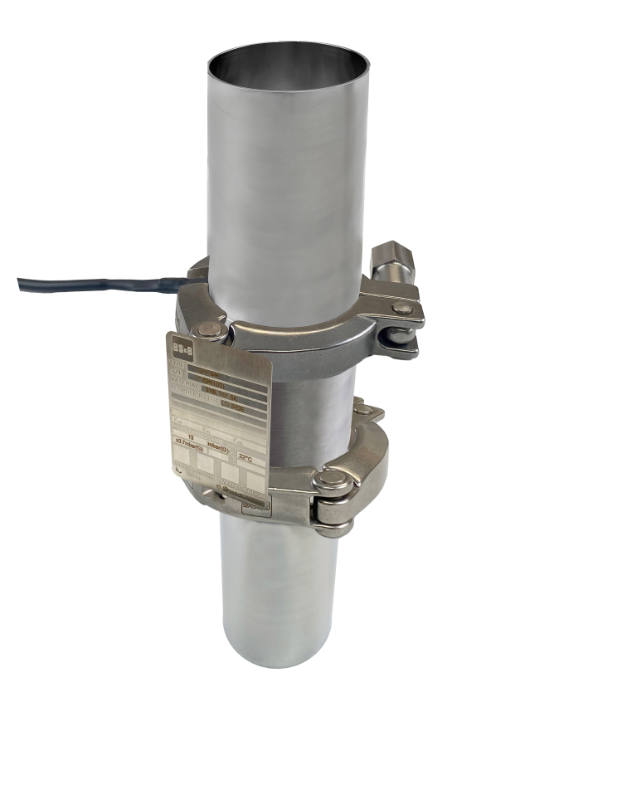
Taking advantage of a simplified safeguard for process integrity, food processing facilities can maintain consistent operations even under fluctuating temperature or pressure conditions.
The limits of conventional low-pressure rupture disks
According to Brazier, protecting vessels from vacuum collapse or minor overpressure typically requires a rupture disk sensitive enough to activate at only a fraction of a bar (a few inches of water column).
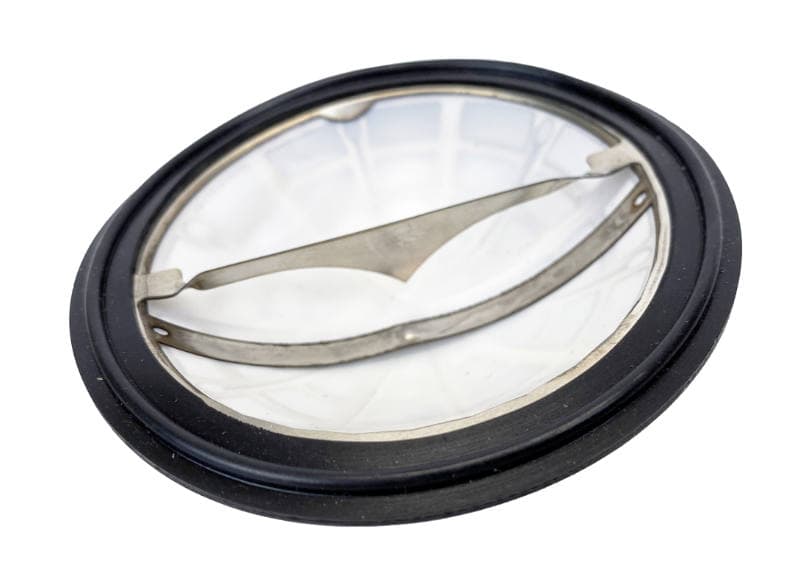
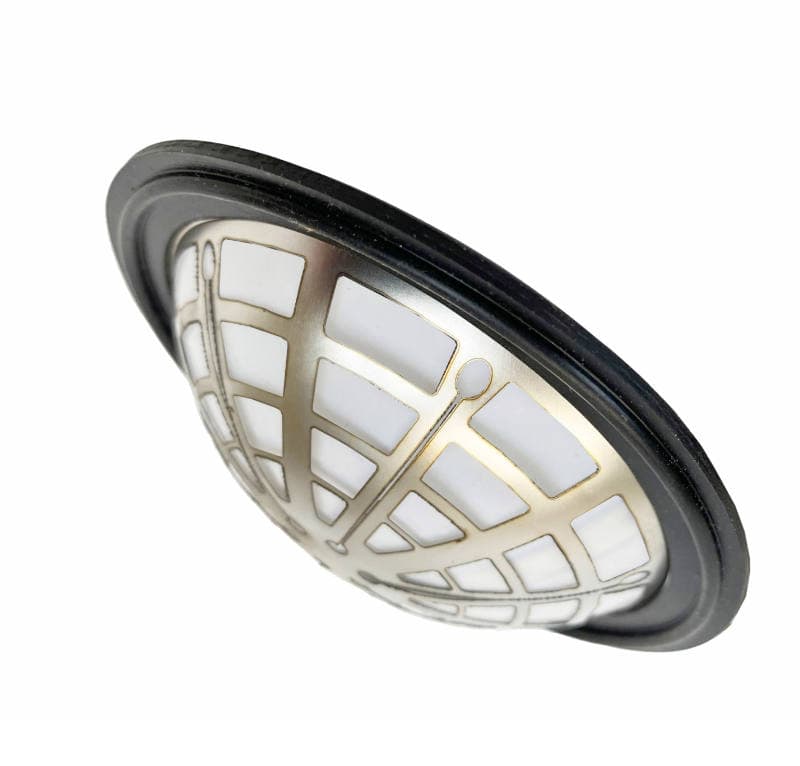
To address the need for a more streamlined approach for low pressure applications, Brazier tasked BS&B’s R&D department to develop a simpler, more efficient design. The result is a new type of rupture disk, called the GHI™, which is capable of providing one-way or two-way (pressure and vacuum) relief. The disk is engineered to operate reliably at pressures so minimal they are comparable to the force of an ordinary sneeze.
The GHI (Gasketed Hi/Lo) rupture disk activates at extremely low burst pressures as low as 12.5 mbar (5 in water column) in 100 mm (4 in) sizes.
“Low-pressure rupture disks have traditionally required a separate safety head that adds cost, complexity, and weight. To achieve the desired low burst pressure also often requires the use of an oversized rupture disk and an adapter that makes the entire device even bigger and heavier,” explains Brazier, adding that the size and complexity of the combined component parts inevitably increase the material, installation, and maintenance costs.
GHI design: simpler, lighter, more sensitive
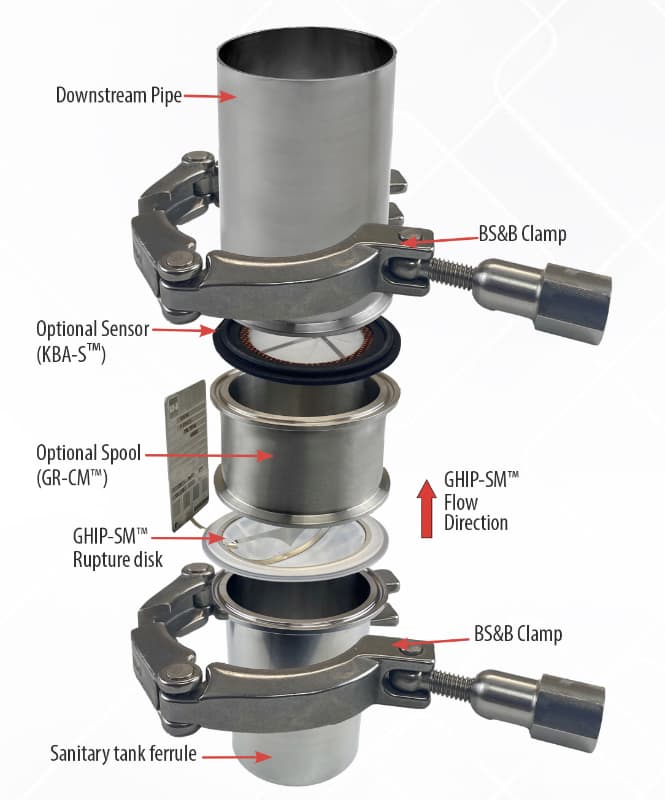
The GHI rupture disk eliminates the need for a safety head. It is a self-contained assembly that installs directly between sanitary piping connections using industry-standard clamps and fittings. This also serves to simplify installation and replacement.
By combining high sensitivity at low pressures with a simplified installation process, the BS&B GHI rupture disk design addresses longstanding challenges related to safety, efficiency, and compliance within industries that demand hygienic conditions for very low burst pressures. The result is a simplified safeguard for process integrity, helping food processors maintain consistent operations even under fluctuating temperature or pressure conditions.
- For more information, visit: www.bsbsystems.com
About the author
Jeff Elliott is a Torrance, California-based technical writer. He has researched and written about industrial technologies and issues for the past 20 years.