


Marinova study links seaweed compound to prostate symptom relief
Tasmania-based biotechnology company Marinova has published results from a randomised, double-blind, placebo-controlled clinical trial showing that fucoidan, a bioactive compound derived from brown seaweed, relieves symptoms of benign prostatic hyperplasia (BPH) in men. The findings were published in the journal Research and Reports in Urology.
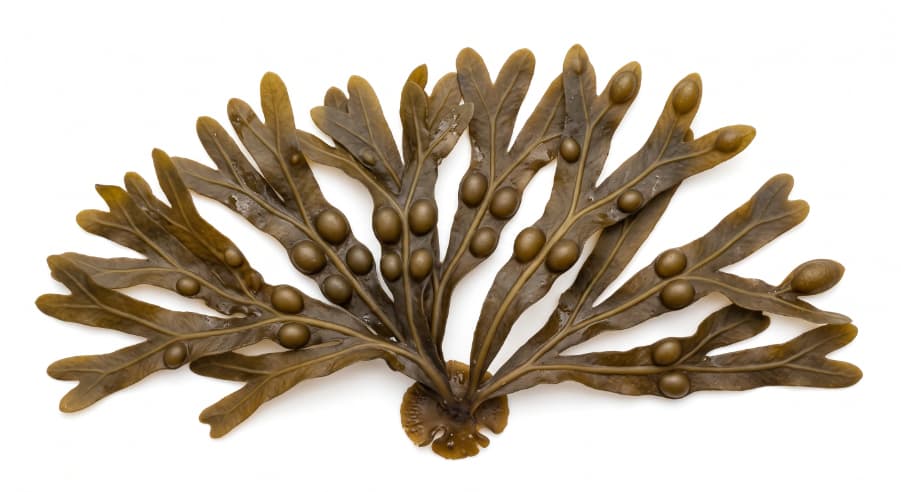
Brown seaweed – Fucus vesiculosus
A common condition in ageing men
BPH, or prostate enlargement, affects a substantial proportion of the male population worldwide, with prevalence estimates ranging from 50 to 60 per cent of men in their sixties and up to 90 per cent of men in their eighties. Although rarely life-threatening, the condition can lead to bladder, urinary tract and kidney complications. Typical symptoms include difficulty passing urine, a weak stream and increased urinary frequency, all of which can meaningfully diminish quality of life.
Trial design and methodology
The 90-day study involved 88 men aged between 45 and 80 with moderate BPH, who received either a daily fucoidan supplement or a placebo. Symptoms were assessed at 30-day intervals using the International Prostate Symptom Score (IPSS), a validated tool covering bladder emptying, frequency, intermittency, urgency, weak stream, straining and nocturia. The IPSS also incorporates a quality-of-life measure linked to urinary symptoms.
The fucoidan used in the trial was extracted from Undaria pinnatifida using Marinova’s proprietary aqueous extraction process, yielding a high-purity marine compound.
Significant improvements recorded
Men receiving the fucoidan supplement showed clinically significant improvements in overall BPH symptoms relative to the placebo group. Voiding symptoms, which encompass emptying, intermittency, weak stream and straining, improved more than nine-fold in the fucoidan group compared with placebo. Storage symptoms, comprising frequency, urgency and nocturia, showed a two-fold improvement. Quality of life relating to urinary symptoms also improved significantly, and the supplement was reported to be safe throughout the study period.
Dr Barbara Wimmer, Marinova’s Research Director and lead author of the paper, said: “This was an incredibly rigorous study delivering statistically and clinically significant results. These findings will certainly be of interest to nutraceutical brands targeting men’s health.”
Implications for the nutraceutical sector
For food scientists and formulators working in functional ingredients, the results add to a growing evidence base supporting fucoidan’s application in men’s health products. As a naturally derived marine compound with an established safety profile in this trial, fucoidan may offer nutraceutical brands a differentiated, clinically substantiated ingredient for BPH-focused formulations, an area where consumer demand for evidence-backed options continues to grow.
Reference
Wimmer, B. C., Dwan, C. A., Bhalerao, S. S., et al. (2026). Fucoidan from Undaria pinnatifida improves benign prostatic hyperplasia symptoms in men: A randomized, double-blind, placebo-controlled study. Research and Reports in Urology, 18, 1–16. https://doi.org/10.2147/RRU.S597883