WITT Gasetechnik claims industry first with inline leak detection at full packaging speed
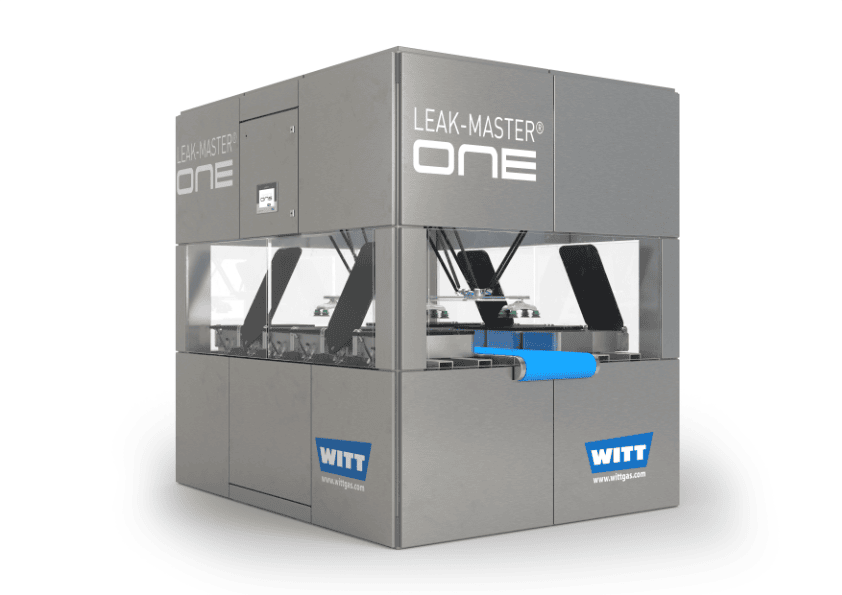
WITT Gasetechnik has launched the LEAK-MASTER ONE, an inline leak testing system for modified atmosphere packaging (MAP) that detects micro-leaks down to approximately 10 micrometres while inspecting individual packs at production line speed. The system targets one of the most persistent sources of quality loss, consumer complaints and food waste in chilled and ambient MAP categories.
Resolving the speed-versus-sensitivity trade-off
Until now, food manufacturers have had to choose between high-sensitivity offline methods and faster but less precise inline alternatives. According to WITT, the LEAK-MASTER ONE addresses this gap directly. As the company notes, the system “combines two previously conflicting requirements: high-precision leak detection in the micrometre range and clearly traceable individual testing at full packaging speed.”
The detection method is based on CO₂ vacuum testing with infrared sensors, calibrated to identify the size of leak that gradually erodes the protective gas mixture. These are typically the defects that escape conventional checks and surface later as premature spoilage, off-odours or visible deterioration on retail shelves.
Twelve parallel chambers and pick-and-place loading
Throughput is achieved through twelve mini vacuum chambers operating in parallel, loaded automatically by pick-and-place robotics. The configuration supports up to 120 packages per minute on a one-by-one basis, which the company describes as “highly sensitive leak testing of individual packages, in real time.”
Each pack receives a discrete pass-or-fail result, and every failure is logged at the unit level. This permits targeted ejection rather than batch rejection, which WITT links to reduced rework, lower scrap volumes and improved overall equipment effectiveness. The data trail also supports traceability obligations under retailer quality agreements.
Compatible MAP applications
The unit is designed for CO₂-containing modified atmospheres and is not suitable for high-oxygen applications above 20.9 per cent. WITT lists meat, cheese, convenience foods, chilled ready meals and bakery products among the typical use cases.
For the food industry, the practical value lies in catching marginal seal failures before they reach distribution, where corrective action becomes costly and reputational exposure rises. By documenting each rejected pack, the LEAK-MASTER ONE also generates the kind of process data increasingly demanded in supplier audits and continuous improvement programmes.
- For more information, visit: https://www.wittgas.com